Why Everyone is Buying the Pt1 Laser (Full Review)
Introduction
I've been using the Pt1 Laser for the last six months as my primary desktop laser engraver and cutter, and in that time it's earned a solid place on my bench. People in maker forums, local craft groups, and a surprising number of small-business owners seem to be buying it, and after hands-on testing I understand why. In this review I’ll walk through my experience setting it up, the day-to-day performance, the real-world strengths and weaknesses I discovered, and whether it’s the right choice depending on your needs.
What the Pt1 Laser Is (My First Impressions)
When I unboxed the Pt1, I found a compact, semi-modular machine built around a fixed gantry and a 300 × 200 mm working area. The unit I bought is marketed with a 10W diode head, a rigid aluminum frame, and a simple touchscreen controller with Wi‑Fi and USB options. In my experience the build quality felt more robust than similarly priced hobby lasers — the frame has good stiffness and the gantry had minimal play right out of the box. That gave me confidence the first time I ran a detailed raster engraving at high speed.
Detailed Product Review and Analysis
Design and Build Quality
What I appreciated immediately was the mechanical design: the rails and belts were pre-tensioned to a reasonable degree, and the included feet are heavy enough that the unit didn't wander during accelerations. The laser head has a modular lens mount so swapping optics is straightforward. I noticed, however, that some black anodizing chips in high-contact shipment areas — not a dealbreaker, but something a perfectionist would notice.
Setup and First Use
Out of the box, the Pt1 arrived partially assembled. I've put together a handful of machines, so I was able to finish assembly and run the first test within about 40 minutes. The written manual is bare-bones (one of my first disappointments) — the quick-start is fine for basic cuts, but I had to rely on online videos and community threads to optimize focus, align the beam, and tune parameters for thicker materials. The included focus gauge and alignment target did help speed up first steps, though.
Software, Connectivity, and Workflow
In my workflow I used both the onboard touchscreen and the provided desktop app. The app supports direct file sending (SVG, PNG) and has basic nesting and power/speed presets. I liked that the Wi‑Fi transfer worked reliably in my home network. What I found was the desktop app’s UI is functional but not polished — drag-and-drop placement works, but I hit occasional path-ordering quirks when switching between vector and raster jobs. The machine’s firmware receives occasional OTA updates; after a mid-term update one of my minor motion glitches disappeared, which was nice to see.
Engraving and Cutting Performance
Engraving detail is where the Pt1 really shines for me. I routinely engrave photographs, fine text, and detailed line art onto hardwood, anodized aluminum tags, and coated acrylic. At 100–200 mm/s for raster scans the detail is crisp and consistent in the center of the bed. One thing I noticed after long raster jobs is that the edges of very wide engravings sometimes have a tiny difference in intensity compared to the center — likely a beam-profile / focus falloff issue. For cuts, thin plywood and 3–4 mm MDF are straightforward at multiple passes, and 10W is more than adequate for hobbyist work. For thicker hardwoods I needed slower speeds and more passes; the Pt1 can handle them, but not as quickly as a higher-powered CO2 machine.
Materials and Real-World Results
My typical projects included: engraved bottle openers (anodized aluminum), custom wooden coasters, thin acrylic signage, and leather stamping. I discovered the Pt1 produces excellent contrast on untreated hardwoods and nicely polished edges on thinner acrylic when using the correct focus and slower passes. Leather engraving gives a warm, deep mark, but there’s a noticeable scent and residue, so a good fume extraction setup is necessary. Metal marking is actually done by heat-annealing coatings rather than directly cutting the metal, and the results were repeatable once I dialed in power and speed combinations.
Precision, Repeatability, and Calibration
After a month of daily use I checked dimensional accuracy across the whole bed. For the most part it stayed within a tiny fraction of a millimeter, which is more than adequate for jewelry tags and small parts. Repeatability between runs was very good — I could reproduce identical engravings multiple times. That said, I did have to re-check belt tension and realign the head after shipping the machine to a friend; the design tolerates rough handling, but it’s not immune.
Shop the latest Electronics picks on Amazon.
View Offers →Noise, Cooling, and Safety
The Pt1’s exhaust fan is functional but not industrial. I noticed that during long cutting jobs the fan could struggle a bit with heavy smoke loads, which slightly affected edge finish on dense materials unless I increased ventilation. I appreciated that the unit includes an interlock mechanism for the lid and a clear emergency-stop button on the controller. I also want to emphasize safety from my own experience: I always wear proper laser safety glasses when aligning the beam and keep the room ventilated — the machine creates unpleasant—and potentially hazardous—fumes when cutting many materials.
Customer Support and Community
My interactions with the manufacturer’s customer support were mixed. The initial response time was quick and helpful for the one hardware question I had, but follow-up about a firmware nuance took longer. The community of Pt1 users is active, and I found most of the useful tweaks, macros, and material settings in forum threads and shared spreadsheets — a critical resource that helped me get better results faster.
Pros & Cons
- Pros: Excellent engraving detail, rigid and compact build, reliable Wi‑Fi transfers, modular optics, good reproducibility across runs.
- Cons: Thin manual and documentation, exhaust fan is underpowered for heavy smoke, focus falloff at bed edges for very wide engravings, desktop app is functional but buggy in places.
Comparison Table — Pt1 Laser vs. Similar Desktop Machines
| Feature | Pt1 Laser (my unit) | Common Desktop Laser A | HobbyCut 2 |
|---|---|---|---|
| Nominal Laser Power | 10 W diode | 7 W diode | 30 W diode (pulsed) |
| Work Area | 300 × 200 mm | 250 × 200 mm | 400 × 300 mm |
| Engraving Detail | High (excellent photo detail) | Moderate | High, but coarser spot profile |
| Best For | Small business and makers wanting detail | Hobby users and beginners | Large-format hobby cutting |
| Connectivity | Wi‑Fi, USB | USB only | Wi‑Fi, Ethernet, USB |
| Documentation & Community | Growing, active user base | Limited | Established, large community |
| Value for Money | Very good for engraving-heavy workflows | Good for casual use | Better for larger throughput |
Buying Guide — What to Consider Before You Buy the Pt1
After using the Pt1 across a variety of projects, here are the things I wished I'd double-checked before buying and tips from my months of hands-on experience.
1. Know Your Materials
What I found was that the Pt1 excels at wood, coated metals, acrylic, leather, and certain plastics, but every material behaves differently. If you plan to cut thick hardwood or dense composite boards, expect to use multiple passes and slower speeds. Also, never cut PVC or materials that release harmful gases — read material safety guidance carefully.
2. Plan for Fume Extraction
Early on I underestimated the smell and residue produced by long cutting jobs. I recommend budgeting for at least a modest inline exhaust fan and a window vent or dedicated extractor. A routine cleaning plan for the optics will save you frustration; I clean my lens after roughly every 8–12 hours of cutting-heavy use.
3. Consider the Work Area vs. Your Projects
The 300 × 200 mm bed on the Pt1 is perfect for jewelry, tags, small signage, and hobby parts. If you need to do large-format pieces in one pass, you may prefer a larger machine. However, for many small-business makers, the Pt1's area is a practical balance between footprint and capability.
4. Look at Software and Workflow
Expect to spend some time learning the app’s quirks and, if you want a smoother pipeline, consider third-party vector tools for layout and raster prep. I primarily design in a vector app, export SVG/PNG, and import to the Pt1 app. If you rely on a polished integrated toolchain out of the box, this may be a minor annoyance.
Find top-rated Electronics products at great prices.
Browse Now →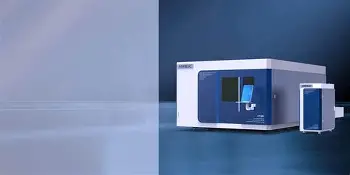
5. Spare Parts and Consumables
Make sure you can source spare belts, lenses, and nozzle parts. I ordered an extra lens and a spare belt early on; having them available meant very little downtime when I experimented with different focal lengths and heavy jobs.
6. Support and Community
From my experience, the manufacturer’s support is adequate but the community is where most practical tips live. Look for user groups, shared material settings, and example profiles — they’ll drastically shorten your learning curve.
7. Safety Practices
Always use appropriate laser safety glasses during beam alignment and when the lid is open. The machine has interlocks, but I treat them as secondary. Keep a working fire extinguisher nearby and never leave the machine unattended while cutting materials that produce heavy smoke or flames.
Real-World Use Cases Where I Found Pt1 Ideal
- Personalized products: small batches of engraved coasters, wooden keychains, and metal tags.
- Prototyping: quick parts from acrylic and thin plywood for enclosures and jigs.
- Detailed artwork reproduction: high-contrast photo engravings on hardwood and coated metals.
- Small runs for craft markets: repeatable, consistent marks after a little setup and materials tuning.
Things That Surprised Me
I was surprised by how forgiving the Pt1 is when you push for photographic detail — the diode head produces very fine halftones if you slow the pass slightly and increase DPI. I was also surprised by the maintenance cadence: unlike some machines where optics feel "set it and forget it," the Pt1 benefits noticeably from regular lens cleaning and occasional belt re-tensioning if you're doing heavy multi-hour cutting sessions.
One Thing That Bothered Me
One thing that bothered me was the documentation. The included manual gives safe startup instructions and basic workflows, but it glosses over optimization strategies that would have saved me hours of trial and error. Because of that gap I leaned heavily on community posts and a few creator videos to get the best results for tricky materials.
Conclusion
After six months with the Pt1 Laser, my verdict is straightforward: it’s an excellent choice if you want a compact desktop laser with high-quality engraving capabilities and a stable, solid frame. It’s particularly well-suited to makers, small-batch producers, and hobbyists who value fine detail and consistent engraving results. Expect to invest some time in learning the software and building a basic fume extraction setup, and be prepared to clean optics regularly for heavy use. If you want raw cutting power for large-format or very thick materials, there are more powerful options — but for flexibility, detail, and a great fit on a workbench, the Pt1 has earned the attention it’s getting.